CBL-514 research dossier
Identity, public references and parameter gaps.
Explore this pathway



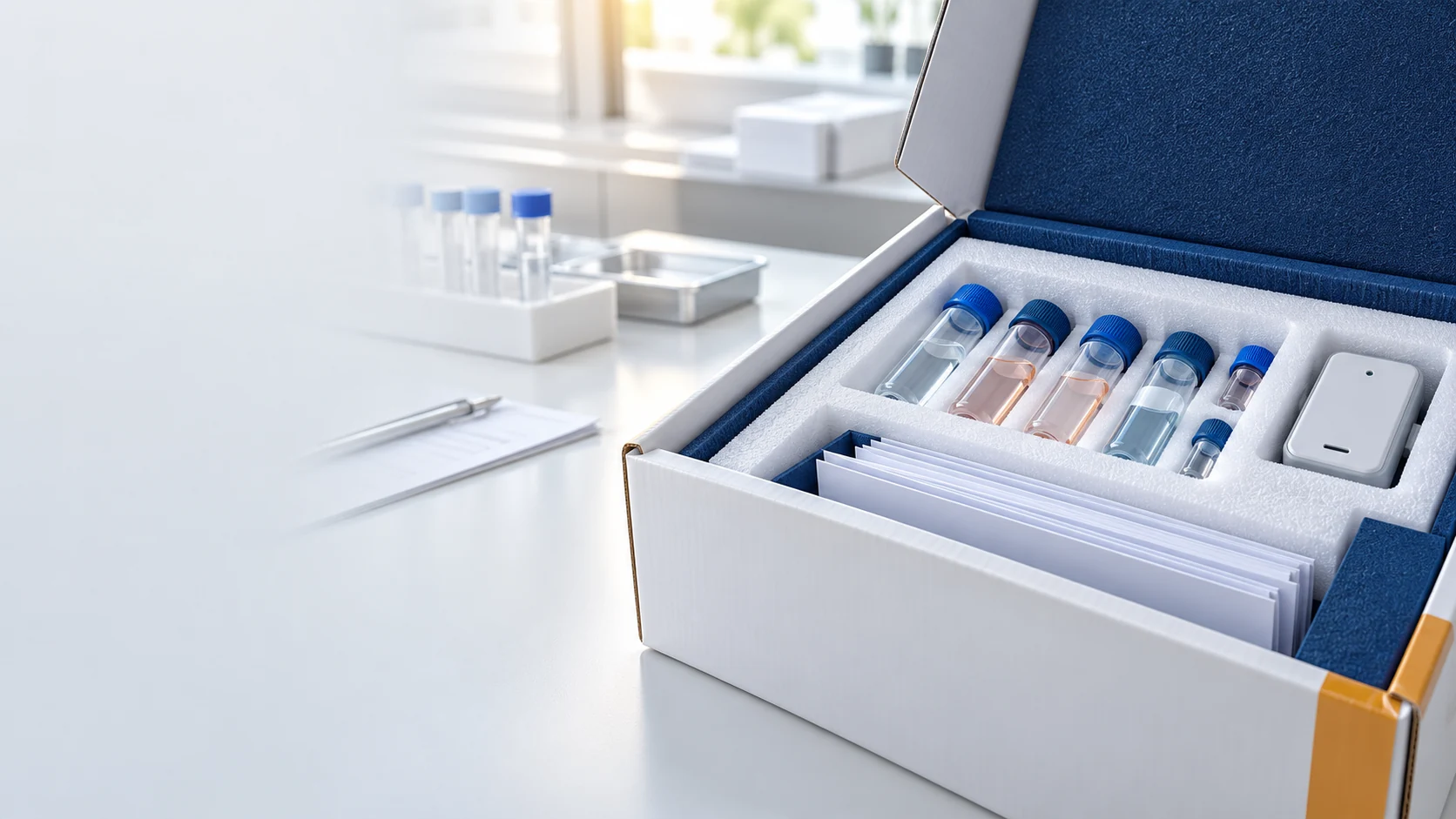

Illustrative research & OEM scenes
Research insight. Project clarity.
Source-linked research guidance and custom peptide OEM support, from the first question to a well-defined project.
Searching for “CBL-514 peptide”? The clinical program is a small-molecule formulation. Understand the difference.
The research dossier
CBL-514 is often searched as a peptide, but the clinical program is described by its developer as a small-molecule formulation. That distinction changes the questions a researcher or buyer should ask. Start with identity, the original source and the exact material under review before comparing a purity claim, a vial size or a price.
Our dossier connects public research references with a practical parameter checklist. It identifies which facts are documented and which commercial fields still need batch-specific evidence. A supplier’s packaging image does not establish equivalence to the investigational formulation. For a custom peptide or lyophilized powder project, use the separate OEM enquiry route to define your intended laboratory use, analytical requirements and packaging needs. This gives your team a clearer basis for a technical conversation and a more useful written quotation.
Research & development
A useful project starts with a defined question. The CBL-514 pathway is for identity, evidence and documentation review. Custom peptide work begins with an exact sequence and analytical requirements. Lyophilized powder development focuses on the material, drying objectives, container and acceptance criteria. These pathways help keep research facts and production assumptions separate.
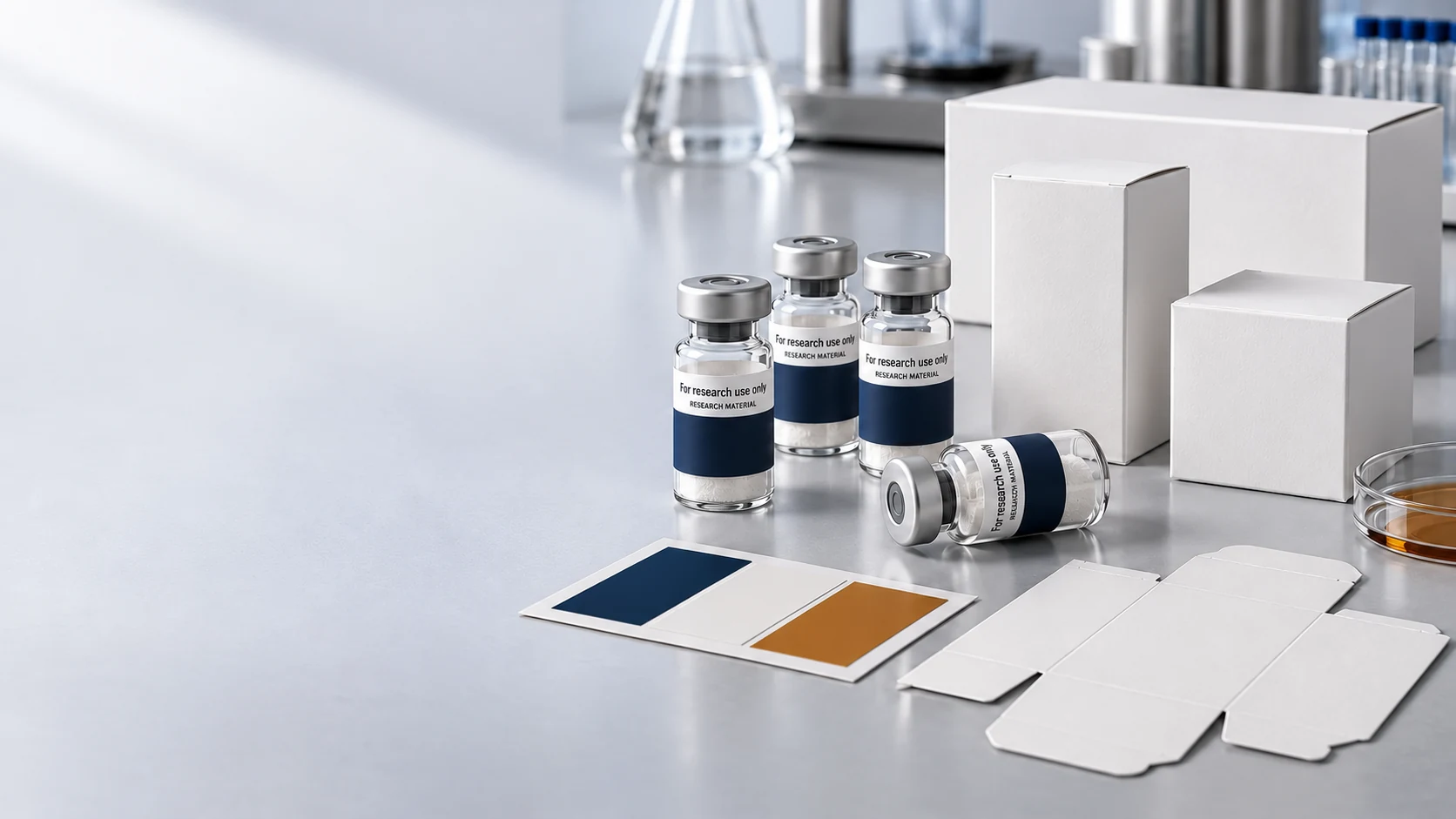
For every enquiry, describe the intended laboratory use and the records your team needs to assess the result. Requested fill sizes and purity targets are requirements for review, not confirmed inventory. Commercial terms are established only after feasibility and scope have been agreed. The packaging concepts below show a coherent, unbranded label system with a visible research-use statement. They illustrate how an accepted project could be presented without claiming a verified batch, clinical suitability or an authorized supply relationship.
Quality starts with the document
A certificate of analysis is useful when it matches the actual material and batch. Review the method, acceptance limit, result and report revision together. If your decision requires chromatograms, spectra or additional tests, make those records part of the agreed scope. A summary purity percentage cannot establish every property of a material.
Identity, assay, chemical purity, sterility and endotoxin status are separate questions. Company certificates also need an entity, site, scope and validity check before they can support a supplier claim. Our quality guide gives you a practical review framework, while the batch portal provides access only to documents approved for publication. No demonstration certificates or invented analytical results are used to populate the site. Where a fact remains unverified, the page makes the gap visible so that it can be resolved before a purchasing decision.
Custom peptide & powder OEM
Custom development works best when each handoff records a decision. Define the material and intended use, review feasibility, agree sample acceptance criteria and then develop the packaging. Artwork should reflect the actual specification, including the product name, batch fields, quantity basis and research-use statement. A visual approval and an analytical release are different decisions.
The OEM process brings these reviews into one documented sequence. It also creates space to agree confidentiality, intellectual-property responsibilities, pricing and delivery terms before production is authorized. We accept enquiries for other research peptides and lyophilized powder projects, with feasibility confirmed individually. General OEM capability does not establish a right to manufacture the CBL-514 clinical formulation. Use the workflow to prepare a complete project brief, identify the evidence needed at each stage and agree the next step with the team.
The knowledge library
The questions behind a search are often more useful than the keyword itself. Is CBL-514 a peptide? What does a trial milestone mean? Which parameters are verified? What should a COA contain? Our research and procurement guides answer these questions directly, then explain the evidence and its practical limits.
Scientific pages link to original studies, public protocols or clearly attributed developer announcements. Operational guides help you prepare a specification, evaluate a supplier claim or plan a sample review. The two types of content support different decisions and are labelled accordingly. Study findings are not turned into promises for unverified commercial material, and the site does not provide personal dosing or injection instructions. Each guide connects to related topics so that you can move from the initial question to a fuller understanding before contacting the team.
The search phrase is common. The clinical program is described as a small-molecule formulation.
Read the guideSUPREME-01 has reached a reported Phase 3 milestone. Development progress is distinct from marketing approval.
Read the guideRead study design, endpoints and limitations together, rather than lifting a headline percentage.
Read the guideUnderstand the research terminology without turning a proposed mechanism into a personal-use claim.
Read the guideDifferent indications and formulations should not be collapsed into one supplier claim.
Read the guidePreclinical combination findings should remain separate from proven clinical use.
Read the guideBefore you enquire
Begin by checking identity and scope. A familiar product name, a research-use label and a complete-looking specification table do not necessarily describe the same material as a published clinical study. Ask which source defines the substance or formulation, which documents connect it to the proposed batch and which claims remain unverified.
Then define the transaction. Requested quantity, testing, packaging, destination and sample evaluation all affect what can be reviewed and quoted. MOQ, lead time and sample costs should be confirmed in writing for the accepted project. These questions help a technical and commercial team work from the same brief. The answers alongside this section summarize the website’s key boundaries, and the full FAQ covers documentation, purity, private label work and international delivery. If your question concerns medical treatment, use a qualified clinical or authorized study contact.
The clinical program is described as a small-molecule formulation. “CBL-514 peptide” is a search phrase, not a verified peptide classification.
No. They are packaging concepts. Identity, feasibility, batch documentation and commercial terms require review.
Project enquiries are welcome. Supply the sequence or material identity, intended laboratory use, quantity and testing requirements.
Send a project brief through the secure form or contact us on WhatsApp. Keep the enquiry reference for follow-up.
Make your next project easier to evaluate.
Tell us what you need to know, test or develop.