
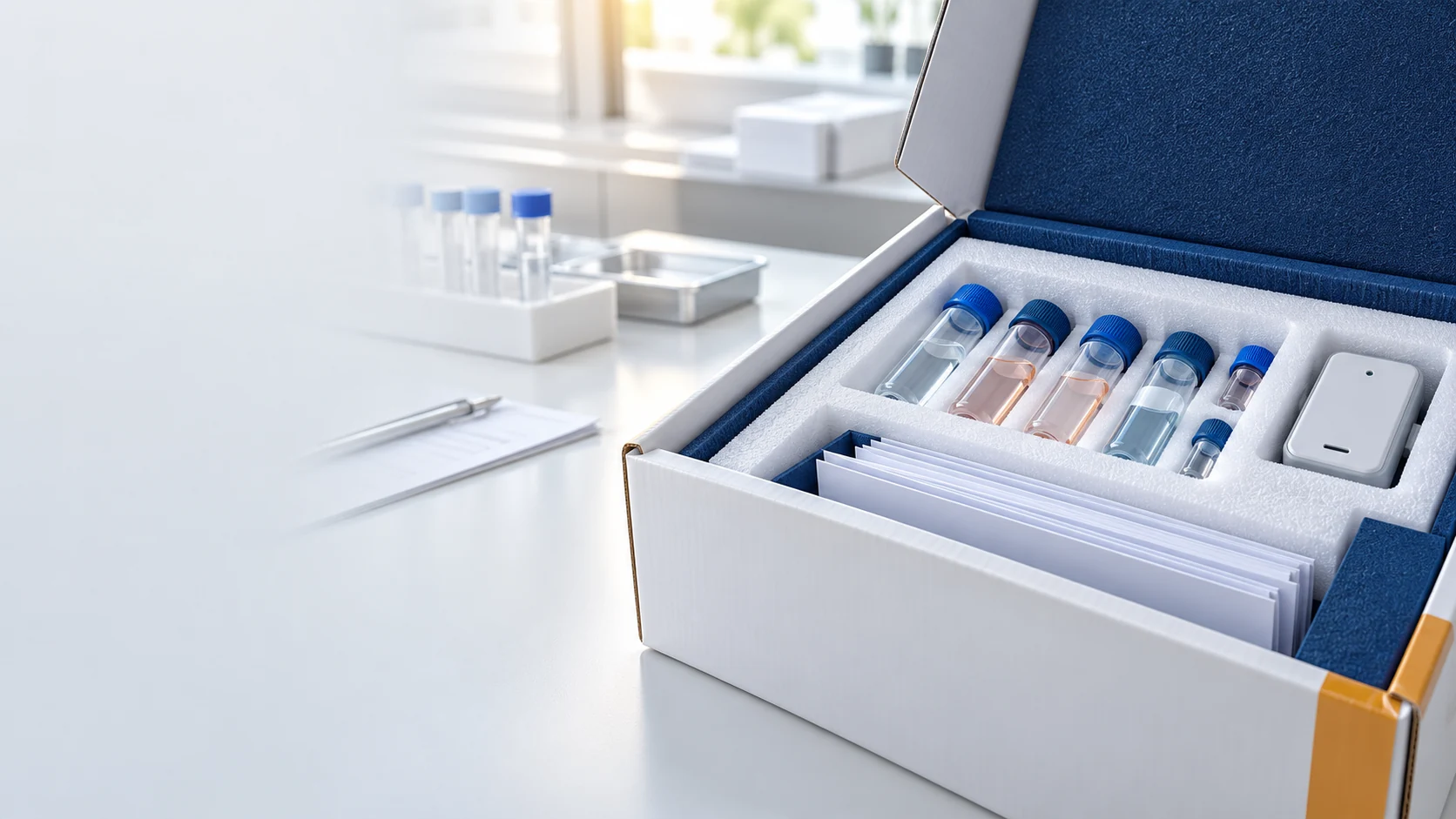


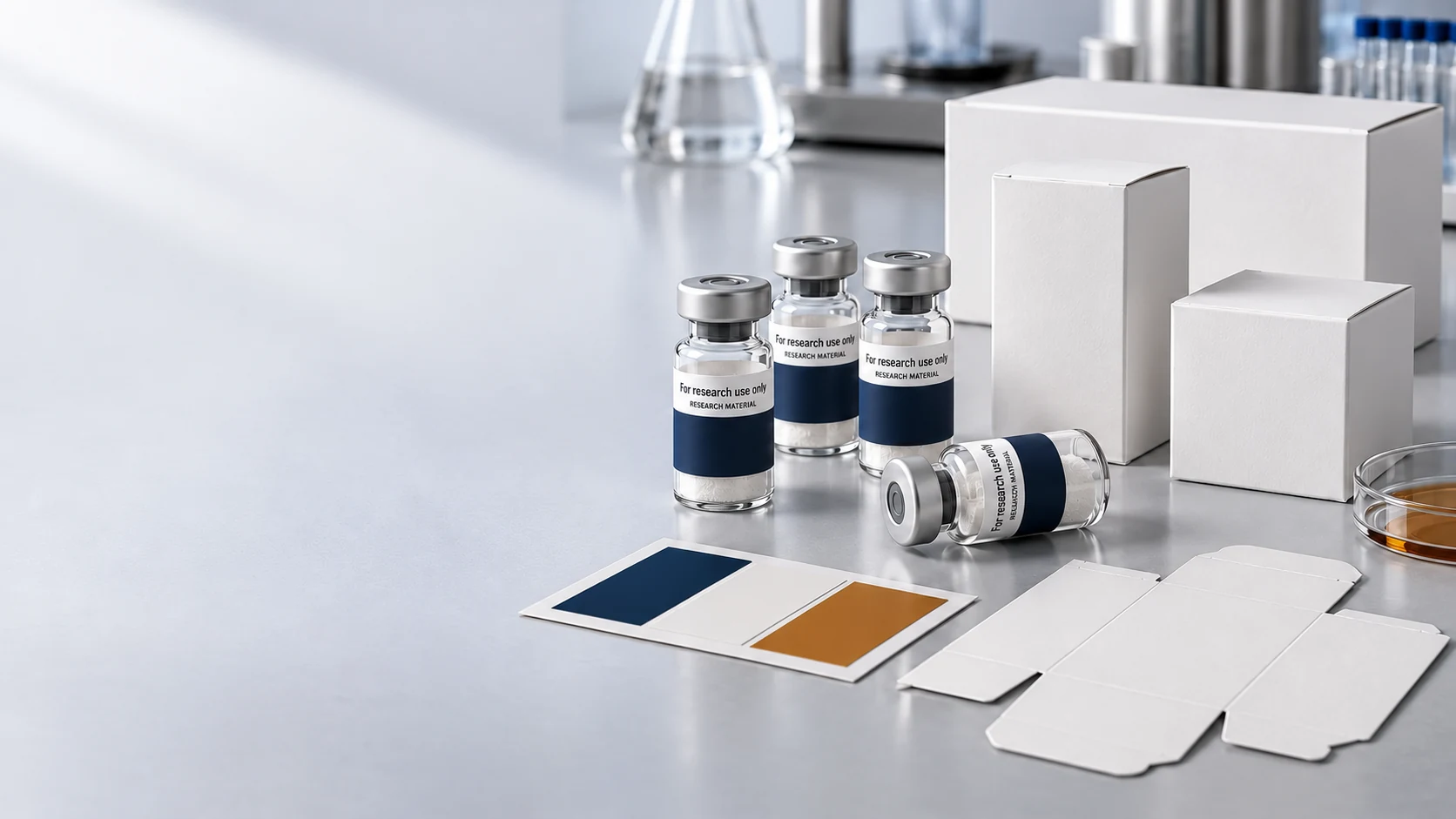


Prepare a destination-specific brief
Australia, Japan, Korea, China and South Africa are distinct destinations and should not be treated as one regulatory or logistics category. Name the receiving country, organization and intended use, then identify the party responsible for the destination review. Describe the exact material and the technical records required before asking for a confirmed delivery date. A general global-shipping statement cannot answer those project-specific questions.
For research peptides, include the sequence or identity, quantity basis and packaging requirements. For CBL-514, clarify whether you need public research information or a supplier-document review; no authorization to provide the clinical formulation is assumed. Transport conditions, customs responsibilities and documentation language should be agreed before dispatch. Official agencies such as Australia’s TGA and South Africa’s SAHPRA provide starting points for relevant health-product information. Your receiving institution and qualified local advisers should determine which current requirements apply to the actual material, use and transaction.
Frequently asked questions
What should an Australia-bound shipment review cover?
Review the exact material, proposed use, importer and applicable Australian requirements before committing to delivery. Documentation and carrier acceptance should be confirmed for the actual shipment.
What should a South African laboratory include in its brief?
Specify the receiving organization, delivery location, material identity, laboratory purpose and document needs. Review the relevant local authority requirements and importer responsibilities before shipment is agreed.
What should a Korean buyer verify before importing research material?
Identify the precise material and intended use, then confirm applicable Korean requirements and local importer responsibilities. Translation, documentation and carrier needs should be resolved for the shipment being planned.
What should a Japanese laboratory confirm before a purchase?
Confirm material identity, intended laboratory use, receiving entity and the applicable Japanese requirements. Do not infer approval, unrestricted import or clinical suitability from a research-use label.