




Define the requirement before committing
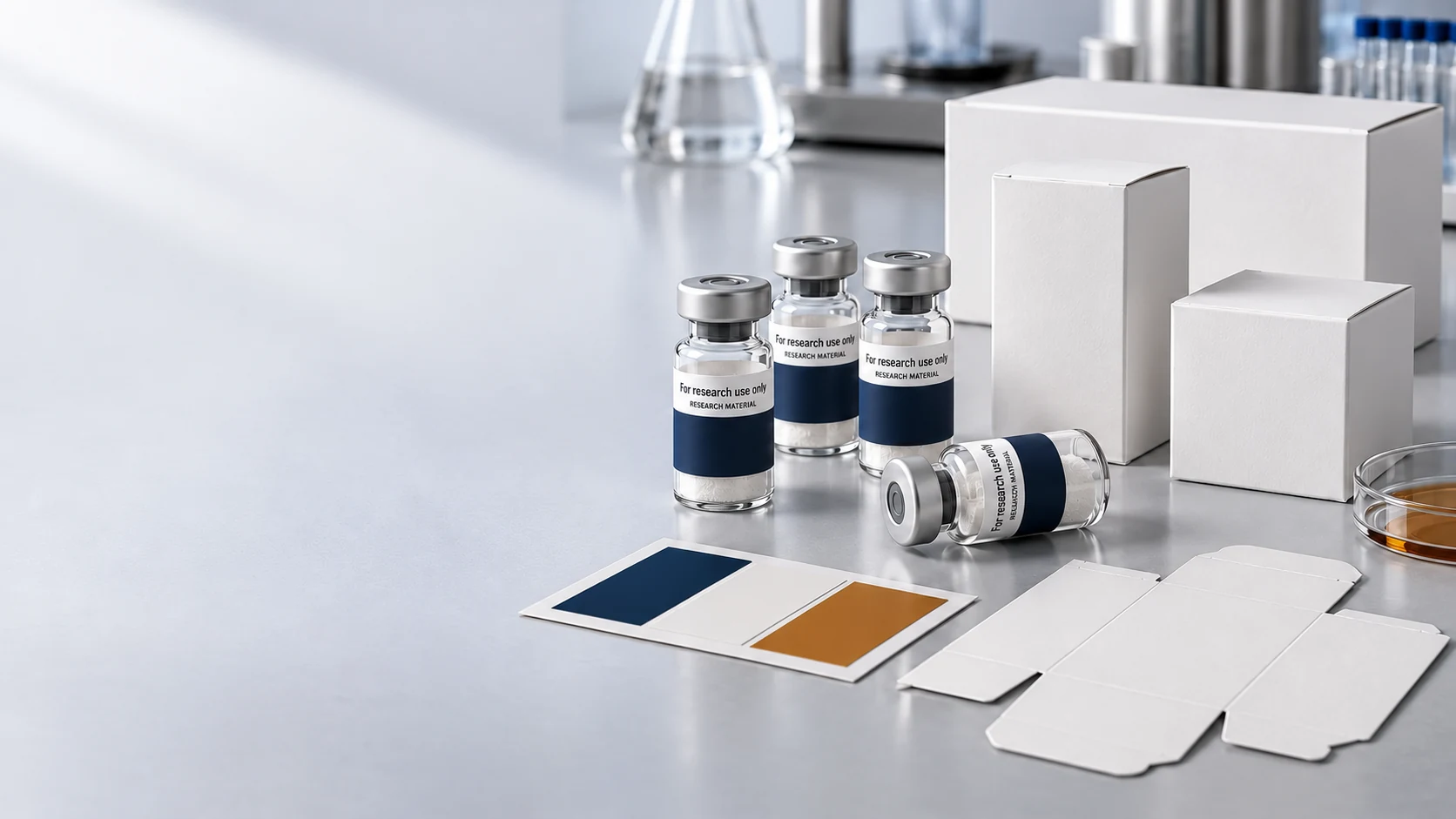
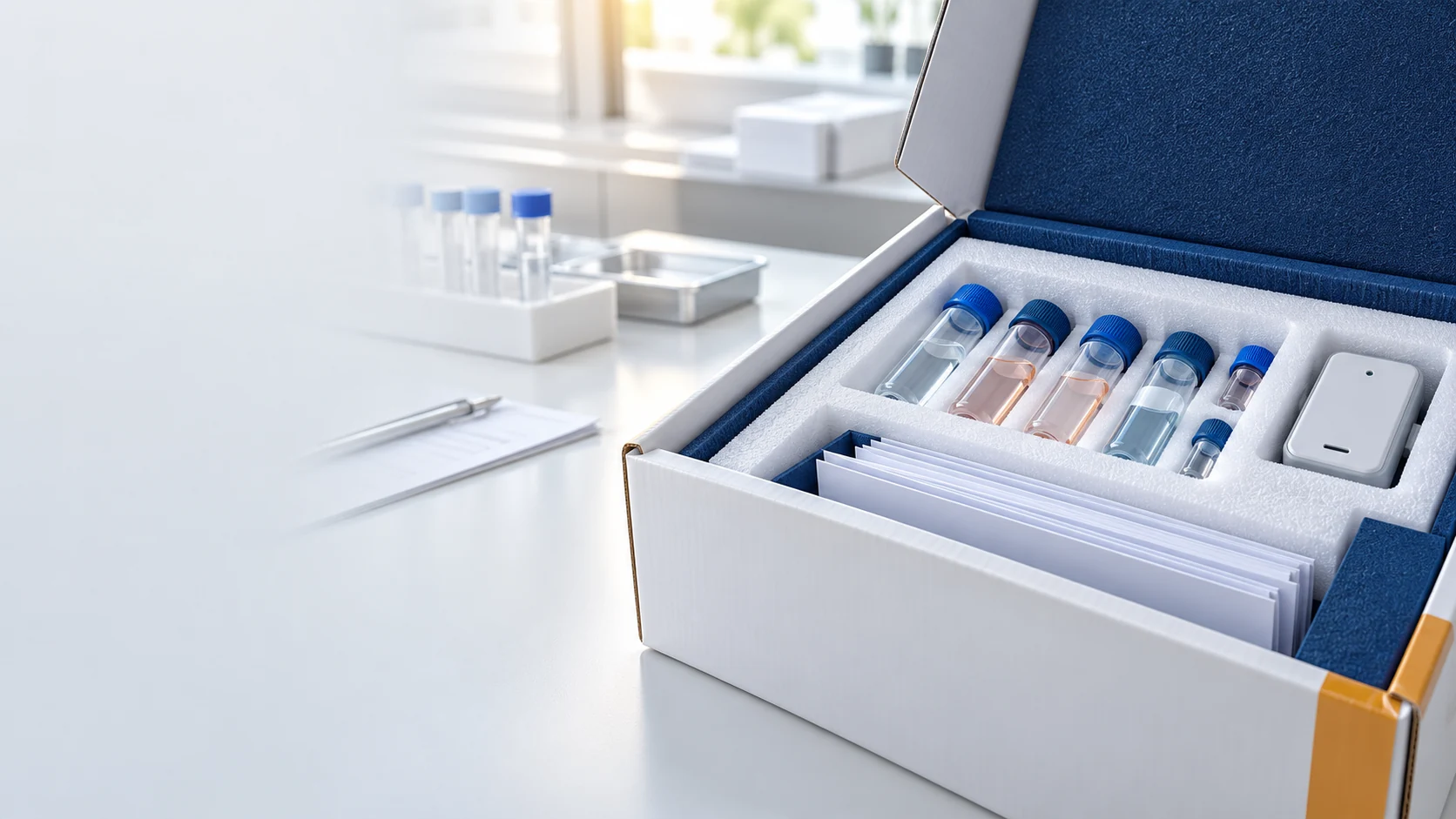
A useful request describes the material you need and how your team will decide whether it is suitable for the project. Include the intended laboratory use, target quantity, required test methods and the documents you expect to receive. If packaging is part of the brief, specify the vial or container format, the fill basis and any label or carton requirements. You can also provide a delivery city, target budget and preferred time zone.
The team reviews feasibility before confirming availability or commercial terms. Sample costs, freight, MOQ and timing are not assumed to be free or fixed. A submitted request is not a purchase contract, a clinical recommendation or evidence that a third-party CBL-514 material is equivalent to the sponsor’s formulation. Keep the reference number displayed after submission. It connects your initial brief to later clarification, sample review and any written quotation issued for an accepted scope.
Frequently asked questions
Is sending a request the same as placing an order?
No. Submission creates an enquiry record. A commercial commitment requires an accepted scope and written terms covering the material, testing, quantity, packaging and delivery responsibilities.
What should I include in a quotation request?
Include your organization, destination, intended laboratory use, material definition, quantity, quality documents and packaging needs. Add a budget or timeline if useful, identifying targets separately from mandatory acceptance criteria.
When does a quotation become a confirmed specification?
Only when the technical and commercial scope has been reviewed and accepted in writing. Keep revisions aligned across the quotation, specification, artwork and order documents before authorizing production.