
Separate company evidence from product evidence
A company certificate and a product COA answer different questions. The first may describe a management system at a named legal entity and location within a defined scope. The second describes tests on an identified sample or batch. Neither should be treated as proof of every capability claimed on a website. Check the issuer, validity, scope and connection to the actual party offering the material.
For CBL-514, also ask what relationship the supplier has to the investigational formulation and what evidence establishes the proposed material’s identity. A phrase such as “factory direct” does not answer those questions. Request a traceable documentation package and compare it with the quotation, label and intended use. Do not accept a collage of certificate logos, another company’s documents or a sponsor’s clinical manufacturing statement as the seller’s own qualification. Missing evidence should remain a visible procurement issue until it is resolved.
Record a decision instead of a vague impression
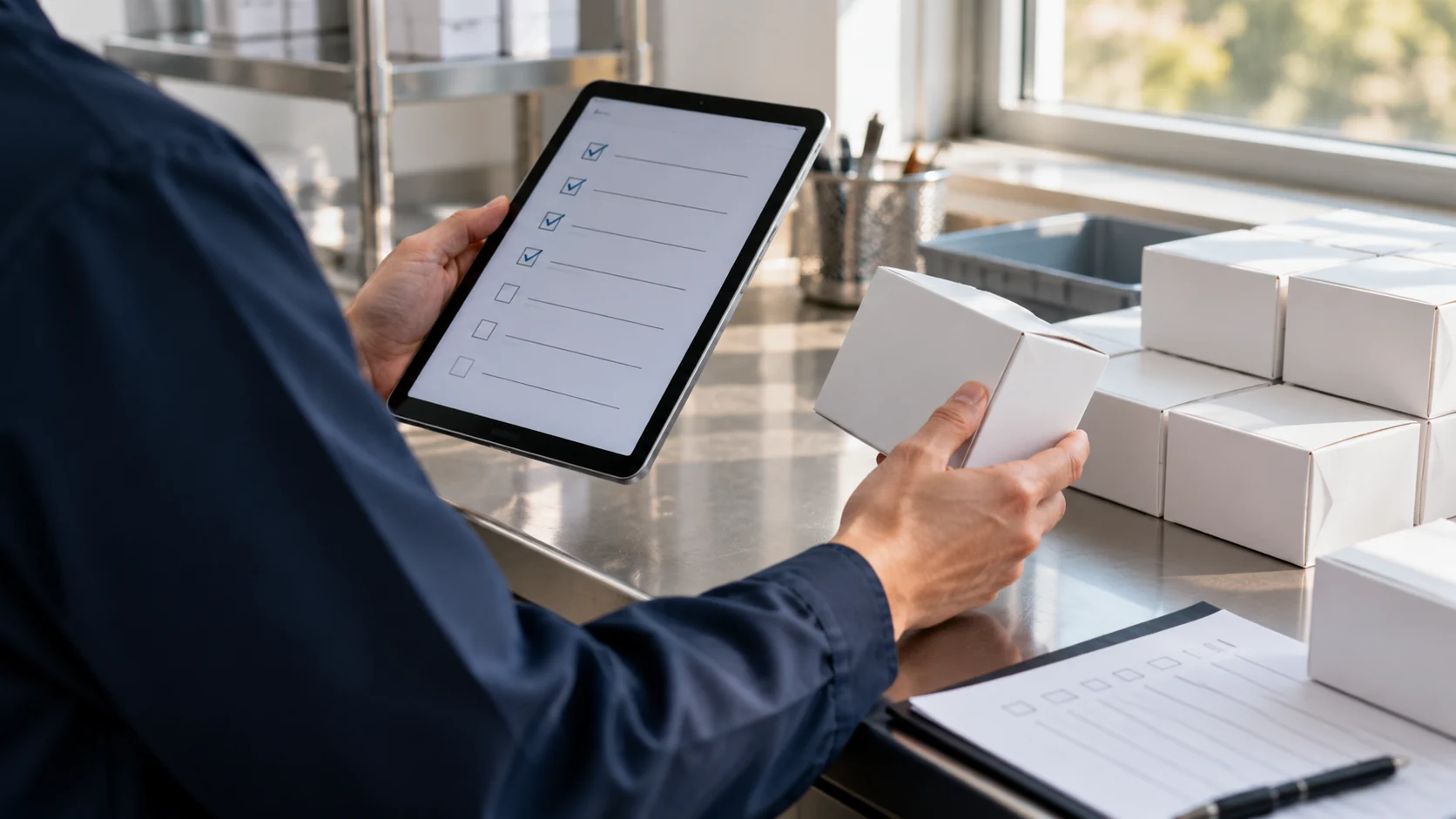
Build a review checklist around the risks relevant to your organization’s project. Record the legal entity, contact route, material definition, documents reviewed and unanswered questions. Identify which claims are confirmed, which are conditional and which have no supporting evidence. If independent testing or an audit is required, agree that scope before relying on the material.
The review should also cover commercial clarity: who accepts responsibility for specifications, deviations, changes and delivery? A responsive email conversation is helpful but does not replace a controlled specification or a written agreement. Be cautious about claims that a supplier is the “best” or that a product is universally suitable when no assessment method is stated. This website does not publish fabricated customer reviews, unverified rankings or borrowed credentials. Its enquiry process is intended to make the required evidence and project decisions explicit, so that your team can assess them on their merits.
Frequently asked questions
How can I distinguish CBL514 research from supplier advertising?
Start with the original trial record or publication, then assess the supplier independently. A product name, packaging image or copied study summary does not demonstrate an authorized supply relationship or batch equivalence.
What should I ask a CBL-514 supplier before requesting material?
Ask for the legal supplier identity, exact substance or formulation definition, authority to supply, batch-specific analytical records and applicable use limitations. Resolve these points before comparing price or packaging.
How do I verify a claimed CBL-514 manufacturer?
Request the manufacturing entity and site, documented scope, quality records and evidence of the claimed relationship to the material. Do not infer manufacturing authorization from a website description or generic certificate.
What should a procurement team verify before purchase?
Verify the supplier entity, material identity, authority, batch records and acceptance criteria. Document unresolved items and compare quotations only when the technical and commercial scopes are aligned.
Does a China supplier claim establish CBL-514 authenticity?
No. Country of operation does not establish identity, authority or batch quality. Apply the same documentary checks to every supplier, including its legal entity, manufacturing scope and traceable analytical evidence.
How can a factory-direct claim be verified?
Ask who manufactures the material, which entity contracts with you and which documents support the relationship. A commercial phrase alone does not prove direct manufacturing or authorization for a specific formulation.
Where should I start when searching for a CBL-514 supplier?
Begin with original research sources to establish what the name describes. Evaluate any supplier separately using documented identity, supply authority and batch evidence; this site does not publish an unverified vendor ranking.
How can I assess a best-supplier claim?
Use a documented comparison of the criteria that matter to your project. Unsupported rankings, testimonials and generic quality logos should not replace traceable records and an assessment of the actual material.
Does a near-me search identify an authorized supplier?
No. Search proximity does not establish supply rights, material identity or batch quality. Confirm the contracting entity and evidence for the proposed material regardless of distance.